Why visit Robben Island
Robben Island's history spans more than five centuries — a leper colony, a defensive outpost, a whaling station and finally, from 1961 to 1991, a maximum-security prison for political prisoners under apartheid.
It's where Nelson Mandela, Walter Sisulu, Ahmed Kathrada and many others were held. Visiting is one of the most direct ways to understand the story that shaped modern South Africa — and the walking prison tours are led by former political prisoners.
Where Robben Island is
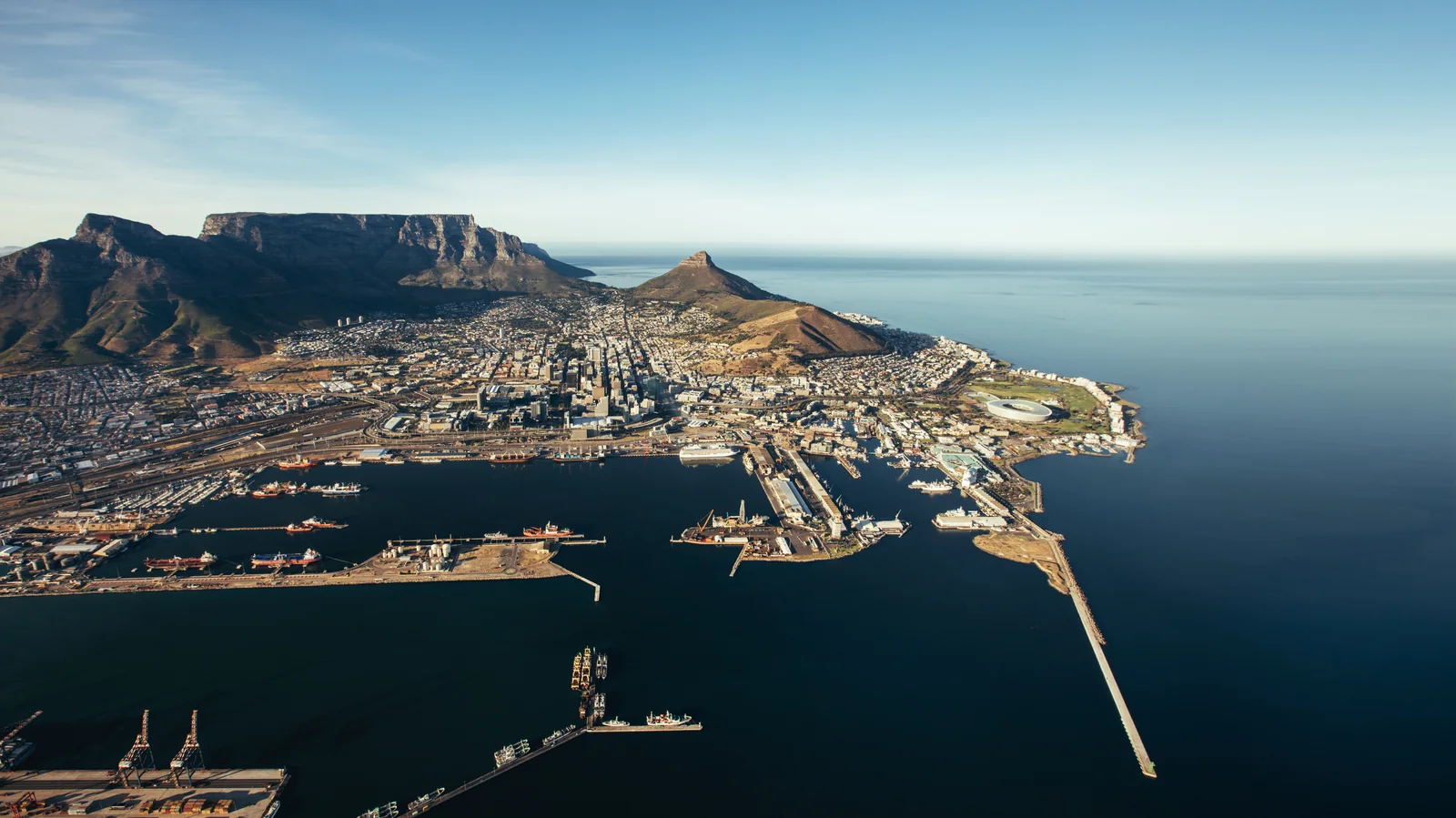
The island sits in Table Bay, about 7km from the Cape Town shoreline. The visitor ferry runs from the Nelson Mandela Gateway at the V&A Waterfront.
Ferries are operated by the Robben Island Museum; the crossing takes around 30 minutes each way, weather permitting.
What to expect
The standard visit combines a bus tour of the island — including the lime quarry, the leper cemetery and Robert Sobukwe's isolation house — with a walking tour of the prison led by a former political prisoner. The tour ends inside Nelson Mandela's cell.
The whole experience takes about 4 hours end to end. Wear a warm layer even in summer; the ferry crossing can be windy.
How to include Robben Island in a Wanderer private tour
Because Robben Island tickets are booked directly through the Robben Island Museum and often sell out, Wanderer builds day plans around whichever ferry slot you can get.
A common pattern is: morning Robben Island ferry and tour, lunch at the V&A Waterfront, then a Wanderer city tour or Table Mountain in the afternoon.
Practical tips
- Book Robben Island tickets as far in advance as possible via the Robben Island Museum website — slots do sell out.
- Ferry crossings can be cancelled in high wind or swell; keep the day flexible.
- Bring a warm layer and windproof jacket even in summer.
- Photography is allowed inside the prison, but be respectful — this is a heritage site, not a set.