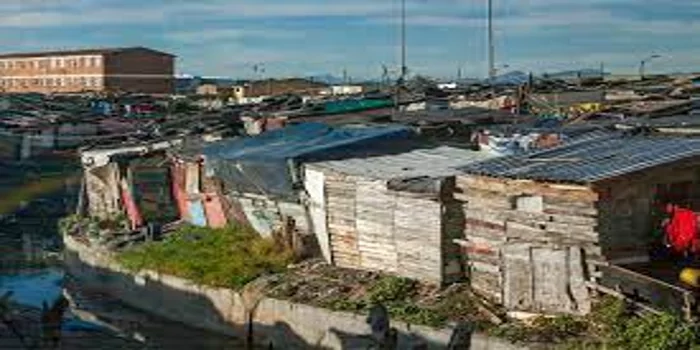
What is Langa?
Langa (isiXhosa for 'sun') is the oldest township in Cape Town, established in 1927 under the Urban Areas Act. It was purpose-built to house Black African men who worked in the city under the apartheid pass laws — a settlement made compulsory by segregation. Today, nearly a century later, it's a living residential community with a population estimated in the tens of thousands.
Langa is not a museum. It's schools, taxi ranks, football pitches, spaza shops, churches on Sunday mornings, kids walking home. What makes it worth visiting is exactly that — the chance to see modern Cape Town honestly, with the history in the streets around you, and to spend time with the people who live it.
Why Langa matters
Langa was the first township to actively resist the pass laws. In 1960, following the Sharpeville Massacre, thousands of Langa residents marched in protest — an event now known as the Langa March, which shaped the trajectory of the anti-apartheid movement in the Western Cape.
The Langa Pass Office — where every Black man in Cape Town had to have his pass endorsed — still stands. It's now the Dompas (Pass Law) Museum, one of the most powerful small museums in Cape Town.
Where Langa is
Langa sits on the Cape Flats, about 12km east of central Cape Town — a 15 to 20 minute drive from the V&A Waterfront depending on traffic. It's bounded by the N2 highway to the south and the industrial area of Epping to the north.
You reach it by road; there's no train service worth using for a visitor. Every Wanderer township tour is a private, chauffeur-driven experience with a local Langa guide meeting you at the community centre.
What to expect on a visit
A typical Langa visit is a mix of walking and driving, led by a local guide. You'll usually cover: the residential streets themselves (hostels, family homes, informal settlement areas), Guga S'Thebe Arts and Culture Centre, the Langa Pass Office / Dompas Museum, a small business (bakery, sneaker maker, tailor or restaurant), and often a stop for traditional food or coffee.
The pace is unhurried, the tone is honest, and there's plenty of time to ask questions. If you'd rather focus on food, on art, on music, or on the schools — tell us in advance and we'll adjust.
Guga S'Thebe and the Dompas Museum
Two anchor stops sit at the heart of most visits. Guga S'Thebe Arts and Culture Centre is Langa's community creative space — mosaic-covered exterior, working artists' studios, dance and music practice, a small shop and a stage. It's a live cultural venue, not a museum.
A short walk away, the Dompas Museum tells the story of the pass laws through the actual building and cabinets where documents were issued. It's small, intense, and one of the most educational stops in Cape Town — worth every minute.
How it fits into a Cape Town trip
Most travellers do Langa as a dedicated half-day (3.5–4 hours including transfers) either as a morning or afternoon experience. It pairs well the same day with a walk in the Company's Garden, a District Six Museum visit, or the Bo-Kaap — all of which sit under the broader story of Cape Town's segregated history.
For a full-day 'city and community' experience, we combine the township tour with a private Cape Town City Tour and end at the V&A Waterfront.
Doing it respectfully
The single biggest thing that makes a township tour respectful is the guide. Ours are Langa-born, community-employed, and speak Xhosa first — they know the families in the streets they take you down.
Two things to hold in mind: this is a residential area, not a photo set, and money spent here matters. Wanderer works with community-owned venues (the arts centre, the restaurants, the small businesses) so tour spending stays in Langa. If you want to give something back beyond the tour itself, ask your guide about the local school and community projects that accept donations.
Practical tips
- Wear closed shoes — you'll be walking on unpaved side streets.
- Bring cash in small denominations if you'd like to buy something from local artists or a spaza shop.
- Ask before taking photos of people; landscapes and public art are usually fine.
- Cell coverage is good; there's WiFi at Guga S'Thebe if you need it.
- Do not visit independently — always go with a local guide.
Responsible travel
- Choose an operator that employs local Langa guides and pays them properly.
- Spend money locally — buy the coffee, buy the artwork, tip the guide well.
- Don't treat the visit like a zoo. Talk to people, ask questions, be interested.
- Consider a donation to a community project if you can — your guide will point you in the right direction.